Just How UV Direct Exposure Affects Waterproof Fabrics
Water-proof materials are engineered to keep water out, yet the sun can silently undo years of mindful style. Whether it's a rainfall jacket, an outdoor tents, an awning, or a watercraft cover, prolonged exposure to ultraviolet (UV) radiation progressively breaks down the products and finishings that make these materials water-resistant to begin with. Understanding just how this occurs can aid you prolong the life of your equipment and make smarter options concerning care, storage space, and replacement.
What UV Radiation In Fact Does to Material
UV light carries sufficient energy to damage chemical bonds in synthetic fibers and coatings. This process, referred to as photodegradation, does not take place at one time. Rather, it collects over time as UV photons strike the textile's surface, deteriorating polymer chains at a molecular level. The outcome is a fabric that looks the very same on the outside however has shed a lot of its interior strength and versatility.
A lot of water-proof textiles rely upon among a couple of innovations: tightly woven fibers treated with a durable water repellent (DWR) layer, laminated membrane layers like PTFE (the material behind lots of breathable rain coverings), or polyurethane (PU) coverings applied to the fabric's bottom. Each of these responds in different ways to UV exposure, however none are completely immune.
Breakdown of Coatings and Membranes
DWR layers are especially susceptible. These therapies function by lowering the surface area tension of the fabric so water beads up and rolls off instead of taking in. UV direct exposure accelerates the all-natural wearing off of this finishing, triggering water to begin soaking up into the material as opposed to shedding, a sensation typically called "wetting out."
PU coverings, typical in budget-friendly rain equipment and tarpaulins, are likewise UV-sensitive. Gradually, sunlight direct exposure creates these finishings to come to be fragile, fracture, and at some point peel away from the base textile. As soon as splits develop, water can leak through even if the material itself continues to be undamaged.
PTFE membrane layers, found in higher-end waterproof-breathable textiles, often tend to stand up to UV degradation much better than PU layers, yet they aren't unyielding. The materials laminated flooring to these membranes, in addition to the joint tapes and adhesives holding everything together, can still weaken with long term sunlight exposure.
Shade and Fiber Kind Issue
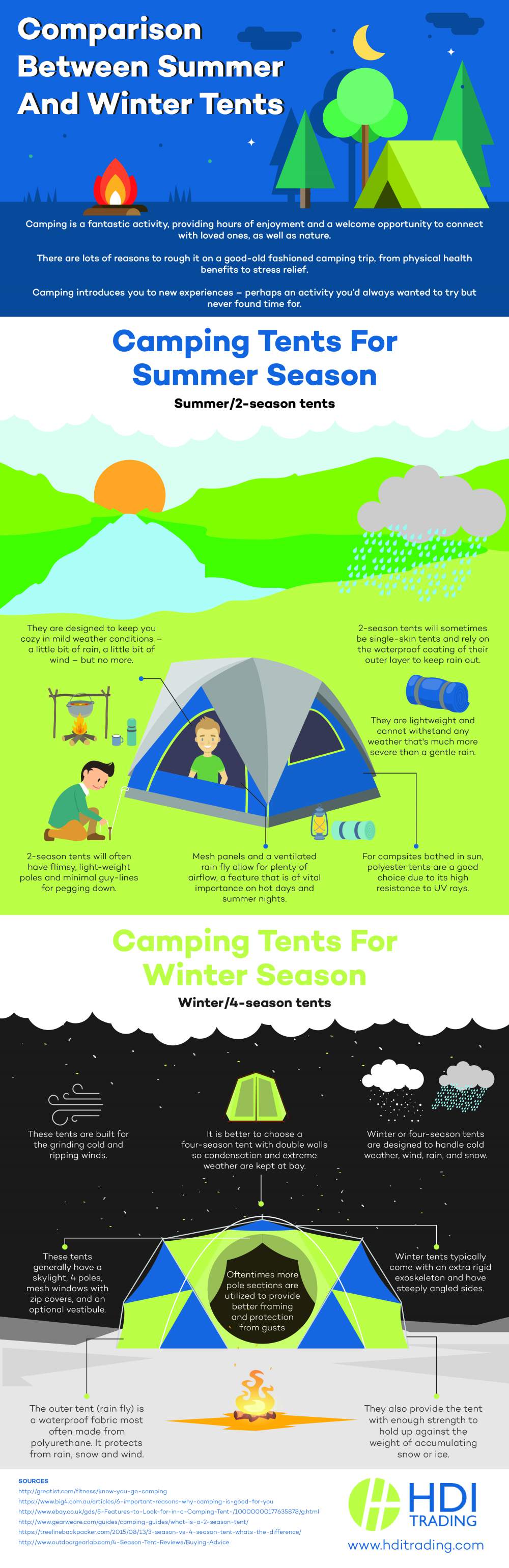
Not all materials degrade at the very same price. Darker colors soak up even more UV energy and warm, which can accelerate failure compared to lighter shades that reflect even more light. Fiber type plays a role also. Nylon, a preferred choice for its light weight and strength, is usually a lot more UV-sensitive than polyester. Polyester's chemical structure gives it rather much better fundamental resistance to sunlight, which is why it's typically preferred for exterior furniture covers, awnings, and aquatic applications where sun direct exposure is constant.
Visible and Undetectable Indicators of UV Damage
Some UV damages is easy to place: fading color, a chalky or powdery residue externally, or visible splitting in covered areas. Other damages is more difficult to find. A textile might still look lively and undamaged while its tensile strength has actually dropped substantially, making it prone to tearing under anxiety it once would certainly have handled quickly. This is especially concerning for safety-critical gear like tents in tornado problems or aquatic covers subjected to constant climate.
How Rapidly Does Damage Occur?
The price of UV damages depends upon several variables: geographic location, elevation, period, and just how much straight sunlight exposure the material gets. Locations closer to the equator or at greater elevations experience extra intense UV radiation. Products left outdoors completely, like awnings or watercraft covers, will certainly degrade faster than a jacket used sometimes and kept inside. Also a few months of consistent summertime sun can significantly shorten the life-span of a neglected water-proof material.
Safeguarding Water-proof Fabrics from UV Damage
The good news is, there are useful actions to reduce this procedure down. Keeping equipment out of direct sunshine when not in use is the easiest and most effective procedure. Many makers also supply UV-protectant sprays that add a layer of protection, specifically helpful for outdoors tents, awnings, and covers that should remain outdoors.
Reapplying DWR treatments occasionally helps recover water repellency lost to both UV exposure and basic wear. Choosing materials with integrated UV inhibitors, usually marketed for marine or exterior furniture use, is worthwhile for things that will invest substantial time in the sun. On a regular basis rinsing off dirt and salt, which can intensify UV damage through rough fragments, also assists preserve the material's honesty.
Final Ideas
Waterproof materials are extremely efficient at maintaining moisture out, yet UV radiation continues to be one of their most consistent adversaries. The damage commonly happens slowly and vaguely, chipping away at finishes, membrane layers, and fiber strength long previously noticeable signs show up. By understanding exactly how sunshine connects with camping supplies these materials, and taking easy preventive steps like proper storage space, reapplying protective treatments, and picking UV-resistant choices, you can substantially prolong the helpful life of your water-proof equipment and prevent unpleasant shocks the next time it rainfalls.